Honeybee Family Adapter
This is the Honeybee Family Adapter. The earliest mention of it I can find is from a screencap of a 1991 Famitsu Magazine. If that footnote is anything to go by, it was intended to be used with the Famicom Disk System. You can see the screencap here at Chris Covells website.
Inside, you'll find a 0.1µF capacitor connecting the cartridges outbound CIC signal to a PPU address line (A12). This is a very poor attempt to circumvent NES' lockout chip (10NES CIC). Of the three lockout enabled consoles I tested Honeybee Family Adapter with, none of them managed to boot. Each of these three consoles works perfectly, so it's safe to say that the lockout defeat doesn't work. Interestingly, there is a dedicated spot on the board to install a 10NES CIC.
Spanning pins 41 to 45 on the Famicom side, we have five pull down resistors. The only one that makes a semblance of sense to me is the one on the audio line. That purple wire is my "handywork" and it enables expansion audio. This device does not include it by default.
To use a Honeybee Family Adapter, your NES will need to have it's lockout chip disabled. You'll also want to wire up the expansion audio for both your console and the converter. Finally, you'll want to remove the capacitor inside the adapter. It has no business being there.
Wild Speculations
Who was the Honeybee Family Adapter for? I know the answer seems obvious, but this thing doesn't work as intended until you modify both the adapter and your console.
We don't know the exact release date, but lets assume it was the early 1990s as the magazine article suggests. This adapter was designed with the Disk System in mind; a machine most NES owners of the era were unfamiliar with. You'd need to know about the Disk System, have the means to import one, and know how to modify electronics in order to get it to work.
Now, people knew how to disable the NES CIC in 1991. Or at least, they claimed to. AVE, a unlicensed game manufacturer, were incensed by Nintendo's DRM attempts and would offer to distribute instructions to disable the 10NES CIC. If you couldn't do it yourself, they would disable your chip for the cost of shipping. This may just be sabre rattling on AVE's part. I couldn't find any proof that anyone used this "service".
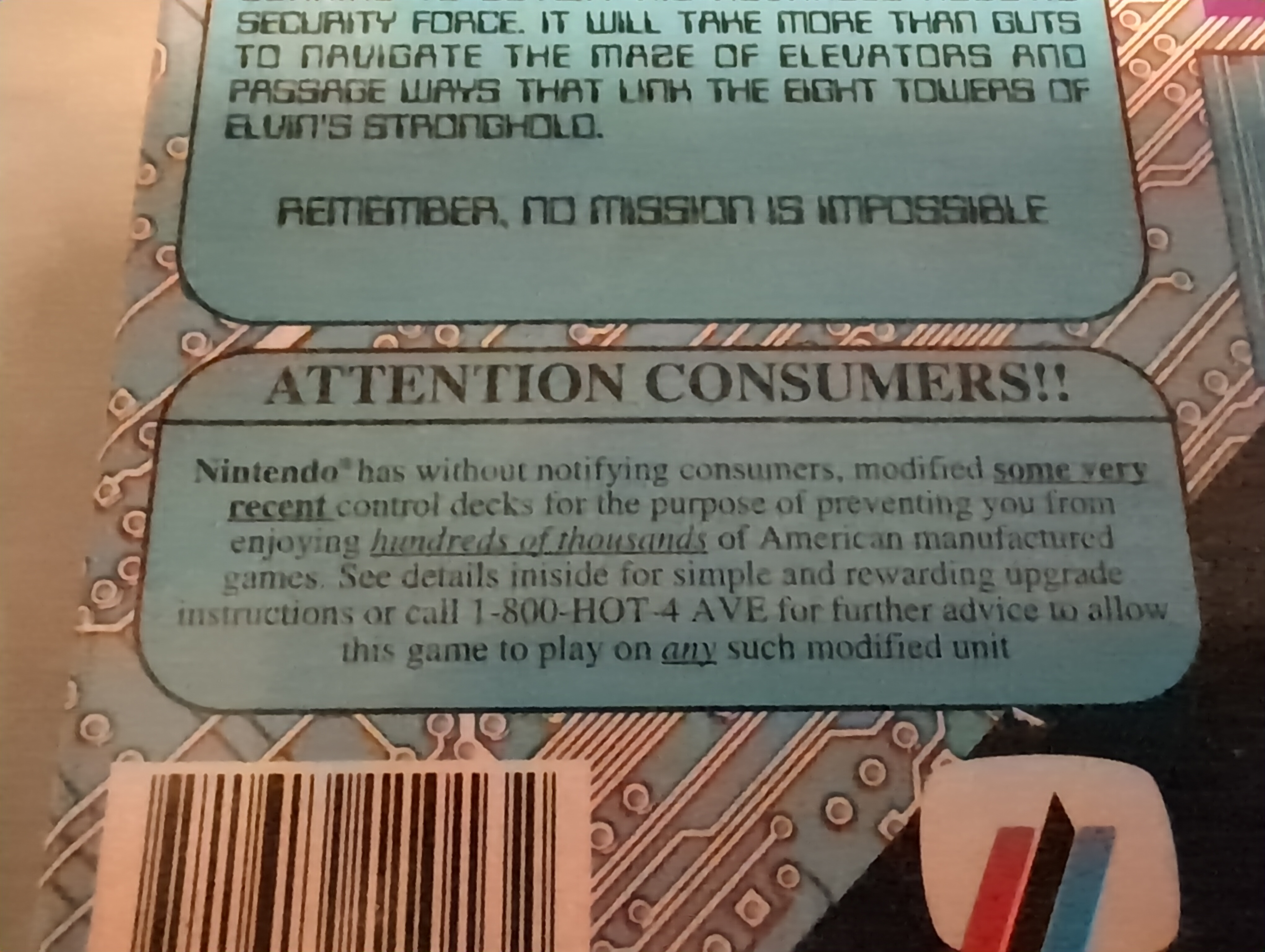
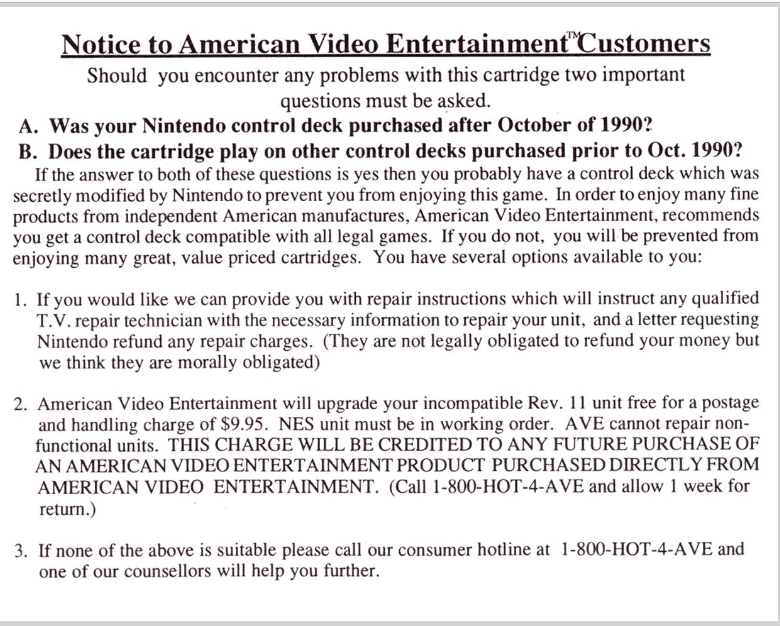
Update: I think I've found the method AVE was touting. Instead of disabling the CIC, it bypasses a resistor allowing the stun circuit installed in the cartridge to function. Surprisingly enough, I found this in the manual for Deathbots of all places.
Now, let's assume that you, a hypothetical importer, had a lockout modded NES. How were you going to get the expansion audio working? Someone with the right tools and enough time could have figured it out. At least, the Famicom side of things. You'd probably need a schematic for the NES to figure out the rest. Maybe if you had a friend that worked at an ~AUTHORIZED REPAIR CENTER~ you could bribe someone, or steal it. If that didn't work, perhaps you could stage an Oceans Eleven style heist. Or, or--- you could buy a Famicom with the money you were planning to spend on a contortionist. On that note, please pay your contortionist a living wage.
I'm just joking around to emphasize how crappy the engineering here is. The Honeybee Family Adapter isn't finished in the state it was released in. Either way, I don't think anyone imported this thing. I'd presume Japanese NES owners might get a kick out of it for a few minutes until they realize it doesn't work. It's a shame that such a cool device had such absurd circumstance surrounding it.
Thankfully, people today have access to information that makes everything that made this impractical in 1991 a non-issue. The Honeybee Family Adapter is rare, and unless you're like me and you're interested in playing Famicom Disk System on an NES, there's no reason to seek it out. Again, just buy a Famicom. Actually, no, buy a TWIN Famicom! Those things kick ass.
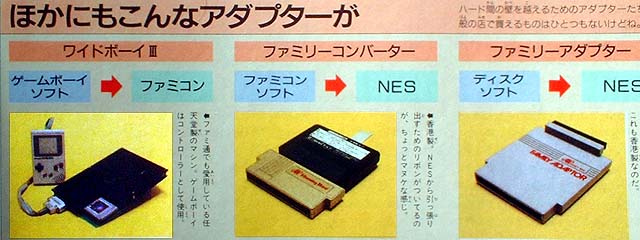
"Disk Soft to NES". The rest is cut off.
Special Thanks: Chris Covell for literally everything he's ever done, Archive.org, Impossible Mission 2 Manual Page 19, NESdev