use at your own risk
If you're looking for a replacement 72-Pin Connector, The only one I recommend is Nin10-Drawer. It's easy to install and has reasonable contact force.
It's a simple idea: Your NES doesn't work-- replacing the connector will fix everything, Right? RIGHT?! That depends entirely on the connector. Is it well thought out, or does it take an already flawed design and make it worse?
When you buy a replacement 72-pin connector, do actually know what you're putting in your console? This thing is going to be physically interacting with your games. Maybe you've had those games for decades and want to preserve them. How do you know you're not destroying anything?Bootleg aftermarket 72-pin connectors are everywhere and forum poster claim that they're destructive. I believe them, but an annecdote isn't the same thing as hard data. On a whim, I decided it best to test these claims myself.
Amazon, eBay, and Aliexpress all sell these connectors. I bought two and tested them both to see if they'd damage a game. I made sure to compare the results to an OEM 72-pin connector and the cartridge connector found in a Top Loader.
You may argue that two tests isn't enough and you're probably right. That's why I implore you to try this yourself and prove me wrong. No cheating! Until you discover some other result, please enjoy this evidence that suggests that these pin connectors can be destructive.
Is all of this excessive? Yeah. That doesn't change the fact that I'm tired of annecdotes being portrayed as fact. If you've already done something like this, we should compare results! feel free to e-mail me.
For transparency, the Top Loader used in these tests is modified to include composite video output and a power LED. No modifications have been made to the cartridge connector.
I used the following for this test:
- NES-001 (front loader) w/ OEM 72-Pin Connector
- NES-101 (top loader)
- A separate NES-001 w/ aftermarket pin connector installed
- A clean copy of Bases Loaded II with good pins
The process was simple:
- Step 1: Determine the amount of contact wear an NES-001 (Front Loader) equipped with an OEM 72-connector causes a licensed NES game to accumulate after 100 insert/removal cycles
- Step 2: Determine the amount of contact wear an NES-101 (Top Loader) causes a licensed NES game to accumulate after 100 insert/removal cycles
- Step 3: Install a Aftermarket 72-pin connector into a separate front loading NES. Determine the amount of contact wear the aftermarket 72-pin connector causes a licensed NES game to accumulate after 100 insert/removal cycles
As a I performed these tests, I filmed everything for reference and transparency. This test has it's flaws: I didn't mark down how many times each cycle was performed. Instead, counting out loud. I also forgot to take before and after photos. Since gathering data was the only goal here, I certainly dropped the ball, didn't I? Regardless, there were results and here they are.
Test Performed
Licensed NES game cycled in and out of an OEM 72-pin connector equipped NES-001 (front Loader) at least 100 times. I didn't keep count as well as I could have.
Results:
an OEM 72-pin connector will lightly wipe the cartridge. This is consistent with behavior as described in Nintendo's patent. over time, slight wear can occur.
Cartridge installation and removal feels smooth and is easy to perform.
comments:
Looking back at the footage, it's clear my naked eye wasn't picking up some of the things my camera did. Namely, the amount of filth the NES deposited to the games contacts. Another mistake I made was failing to show what the game contacts looked like originally. I didn't even take a picture of it. This game was clean prior to this test, but I don't expect you to take my word for it. Try this yourself under the conditions I set above and see for yourself.
Test Performed
A Licensed NES game was cycled in and out of the NES-101 (Top Loader) at least 100 times. Like the first test, I didn't keep count very well.
Results:
Unlike the front loader, the Top Loader utilizes a traditional cartridge connector. As such, contact force is higher and wiping occurs. Wear occurs at a reasonable, expected rate when compared to similar cartridge loading mechanisms.
Cartridge installation and removal is smooth and easy to perform. Similar to all other cartridge based consoles.
comments:
Aside from disproving Nintendo's own theories about contact wear as brought up in their patent, I don't have much to say. The results are exactly what I expected them to be.
Test Performed
An aftermarket Jussming branded 72-pin connector was installed in a second NES-001 (Front Loader). A Licensed NES game was cycled in and out of the Aftermarket 72-pin connector equipped NES at least 100 times.
Results:
The Aftermarket connector possesses significantly higher contact force. Wear and damage incurred is excessive.
Cartridge installation and removal is difficult, pins feel uneven and damaged the the test game's card edge contacts.
Testing the game in an OEM 72-pin connector equipped NES demonstrated that despite the damage, the game still worked.
If you compare the examination from the beginning of the video to the examination at the end, you can see just how much damage this connector did. Several previously undamaged pins became significantly scratched up after the test.
Comments:
Having felt the connector as I was cycling the games, I'm genuinely surprised that this connector remained functional throughout the entire test.
I say in the video that these connectors may be safe to use (briefly) and that they have their uses. After closer examination of the results, I don't think I agree with that anymore. The destruction isn't as bad as I thought it would be, but it's still excessive.
Because I used the same game for all three tests and as stated above and forgot to take photos, I only have the results of this final test to post here in photographic form. However, the videos show the card edge contacts throughout. While they're not the best reference, you can definitely see that prior to the test with the aftermarket connector, these pins were not scratched up.
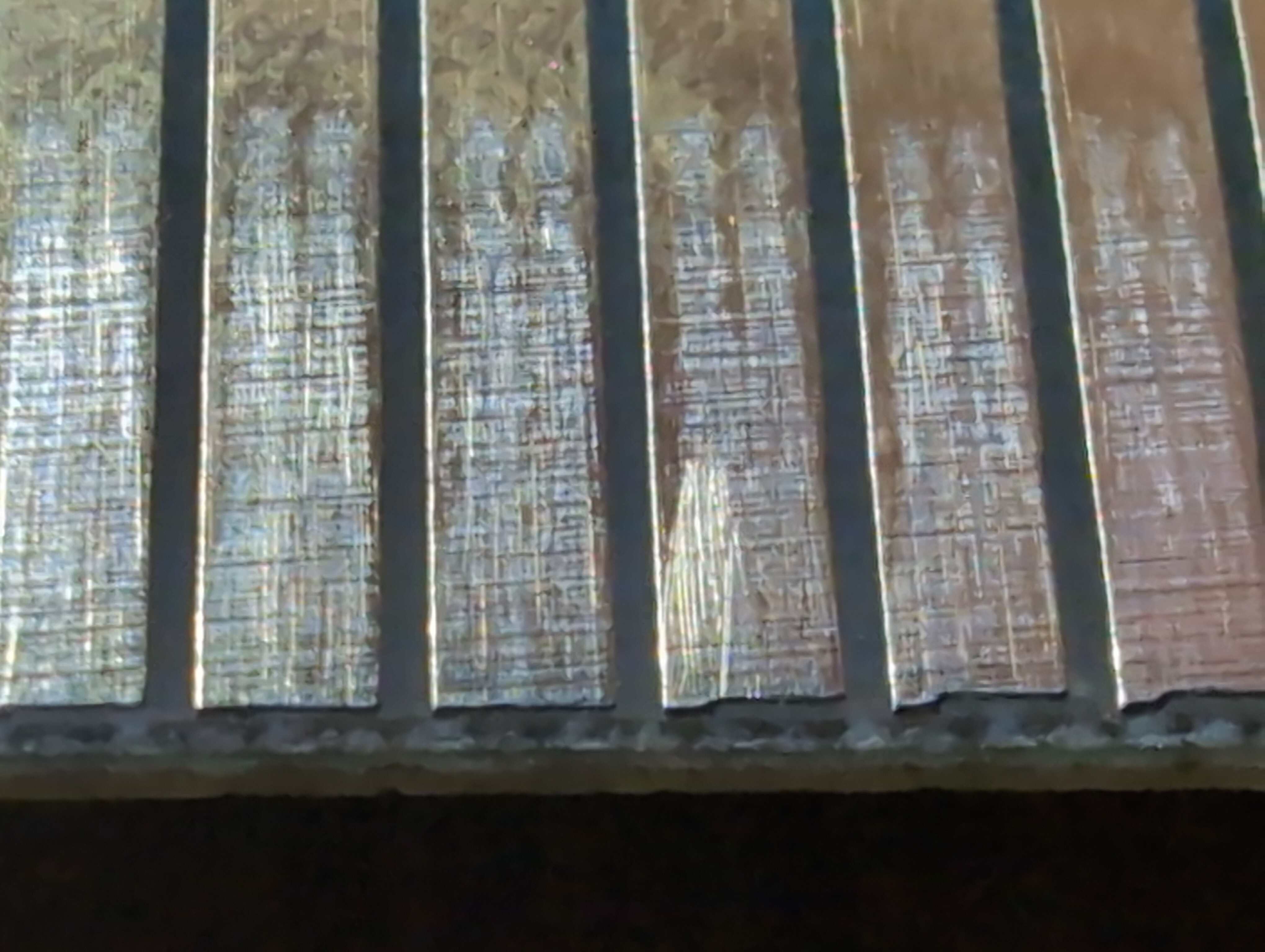
Damage to contacts caused by an aftermarket pin connector.
Due to the obscene length of this video, I recommend downloading it. I host these on archive.org and streaming isn't their strong suit.
For this second test, we're using a Sunjoyco branded aftermarket 72-pin connector. Interestingly, it came in packaging that was was extremely similar to the jussming connector. It looks like vendors are buying these in bulk from a single source and selling them under multiple, distinct brands.
Unlike the first test, I filmed the entire experiment in one continuous shot. I found myself needing to make major adjustments mid session, but decided to keep filming anyway to maintain transparency.
Logistics have improved with this iteration. The first test used one single game. This latest one instead uses three separate games. Two are controls that show what kind of wear you should expect from an NES Front Loader and an NES Top Loader. The last remaining one shows wear that occurs with the Aftermarket connector. Furthermore, I take before and after photos and keep track of cycle count on paper.
This test has it's own problems. I would have preferred to have used three games of identical contact condition. I was unable to facilitate that. Instead, I found three games that were close enough. Prior to testing the aftermarket connector, It was determined that it's designated game already possessed significantly more contact wear than the two controls. In an effort to maintain the integrity of the test results, I found and used a game of equal condition to the two controls.
I used the following consoles and games for this test:
- NES-001 (front loader) w/ OEM 72-Pin Connector
- NES-101 (top loader)
- A separate NES-001 w/ SunJoyco aftermarket pin connector installed
I used the following games for this test; one for each console:
- A clean copy of Conquest of the Crystal Palace - OEM NES
- A clean copy of Tiger-Heli with good pins - Top Loader
- A clean copy of Karate Champ with good pins - After Market Connector
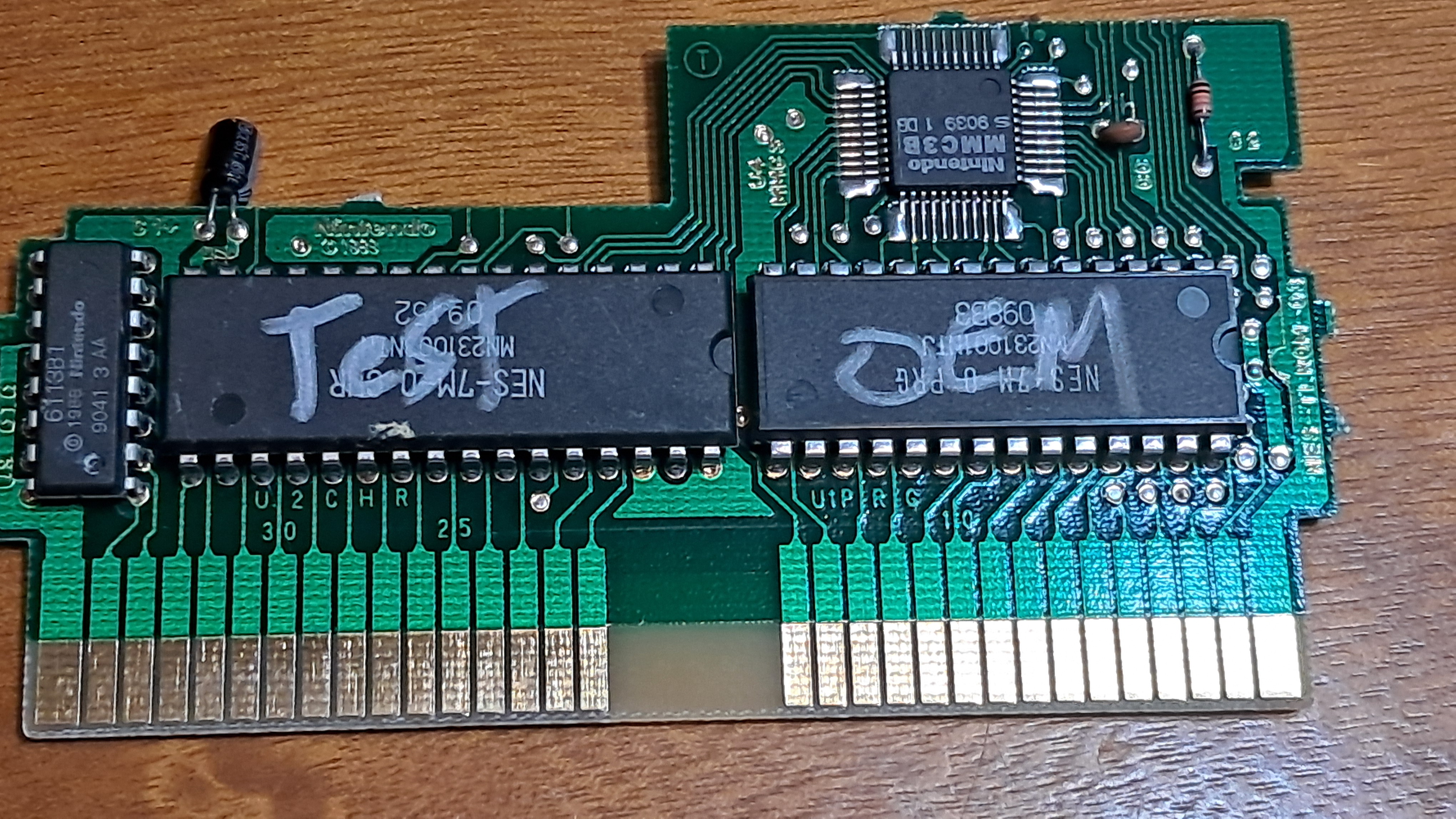
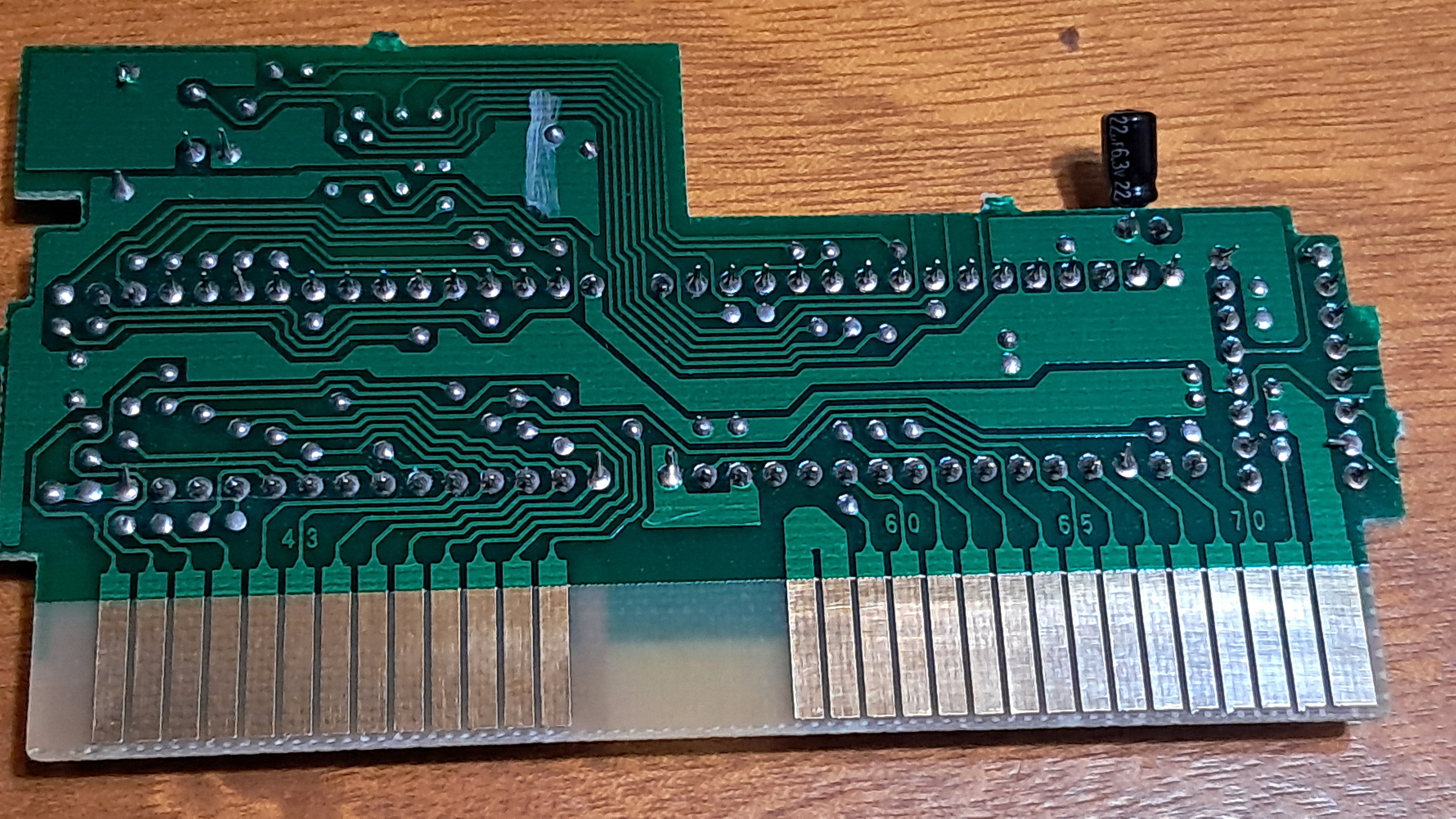
the Conquest of the Crystal Palace game cartridge was inserted and removed from the NES-001 OEM 72-Pin Connector 100 times. These are photos of the board taken prior to the test.
After the test...
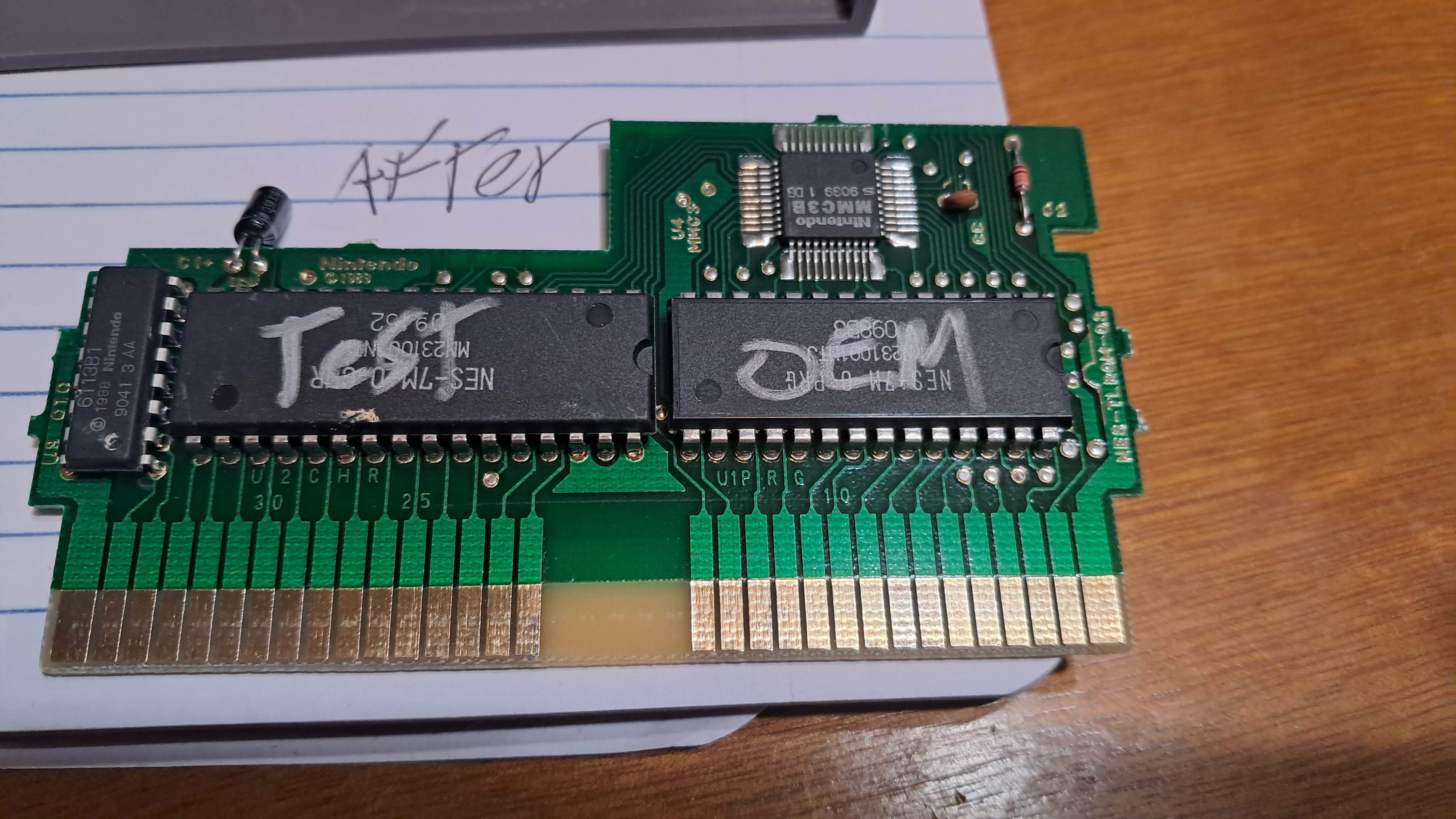
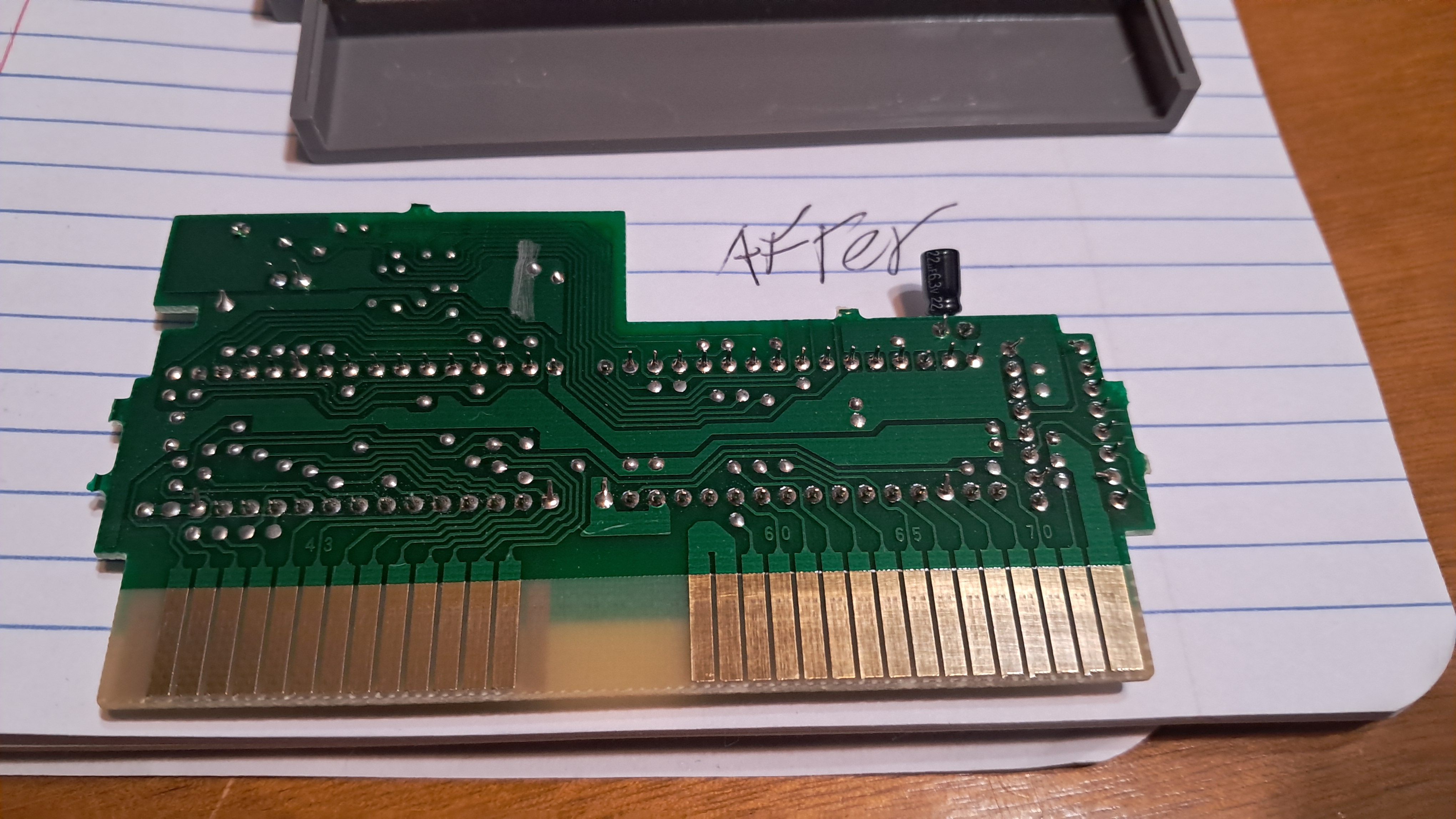
The cartridge contacts are dirtier. This time, there isn't any identifiable wear. I'd need to try this again, but this makes me curious about my first OEM test. There, some wear did occur. Maybe that was just filth?
the Tiger-Heli game cartridge was inserted and removed from the NES-101 Top Loader 72-Pin Connector 100 times. These are photos of the board taken prior to the test.
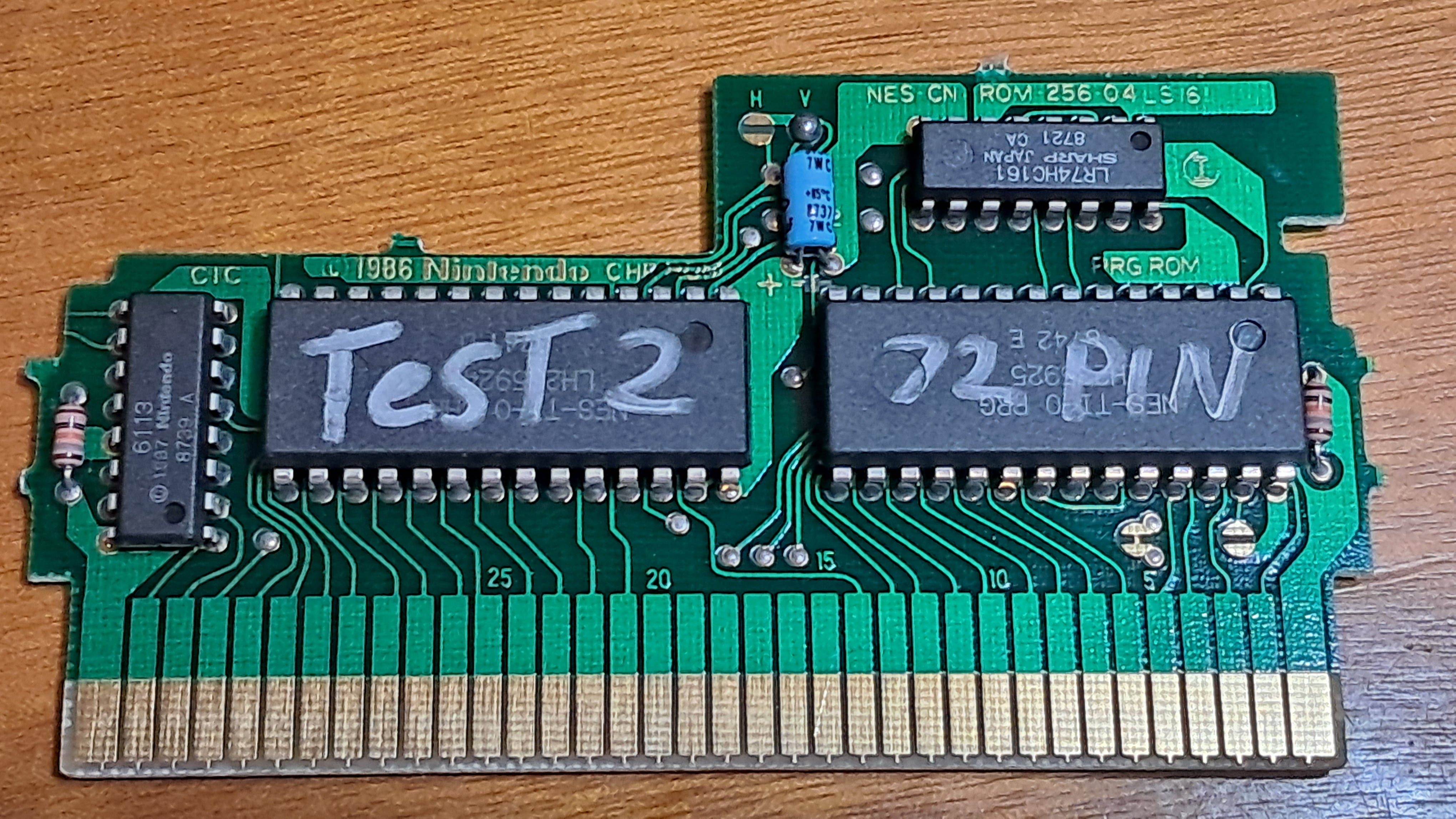
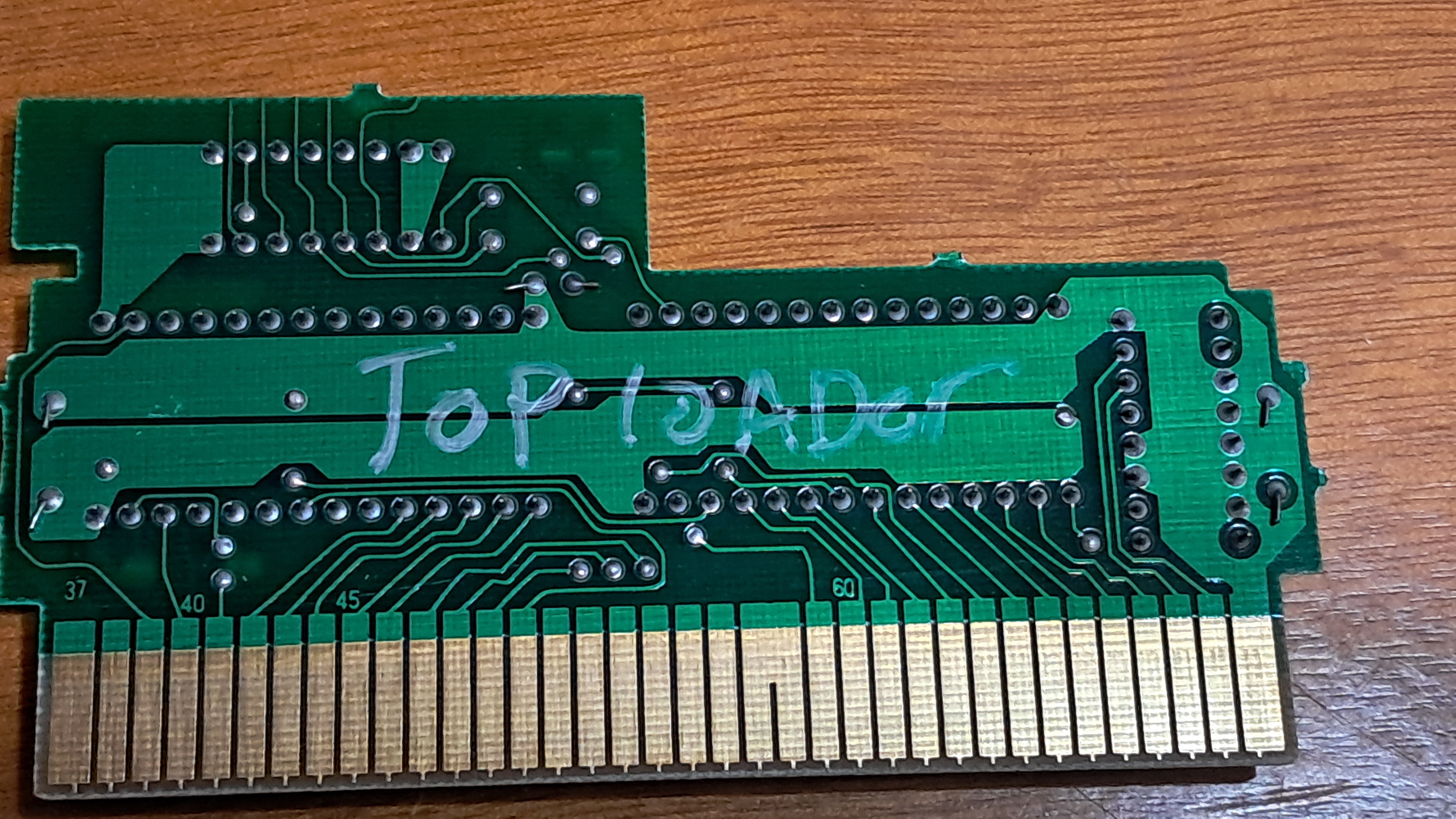
After the test...
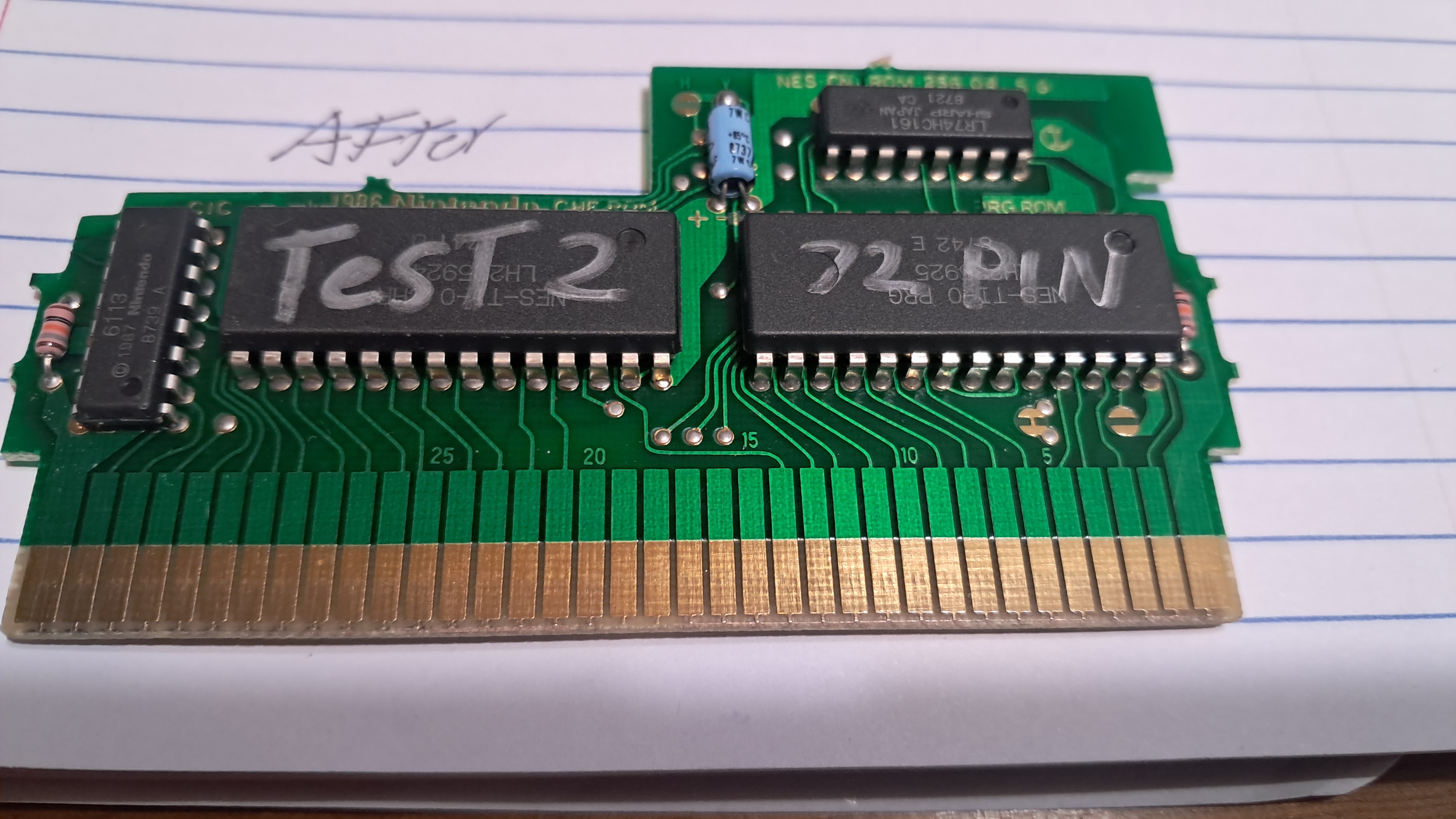
They're dirtier and slightly more worn. Again, that's to be expected with a traditional cartridge port like the one found in the Top Loader. I'm not at all concerned about this.
While filming, I had originally planned to use a second copy of Bases Loaded II for this test. After closer examination, Bases Loaded II was deemed insufficient for this experiment. The contacts were in worse condition than both of the controls. A copy of Karate Champ was used instead since it was in comparable condition to the two controls.
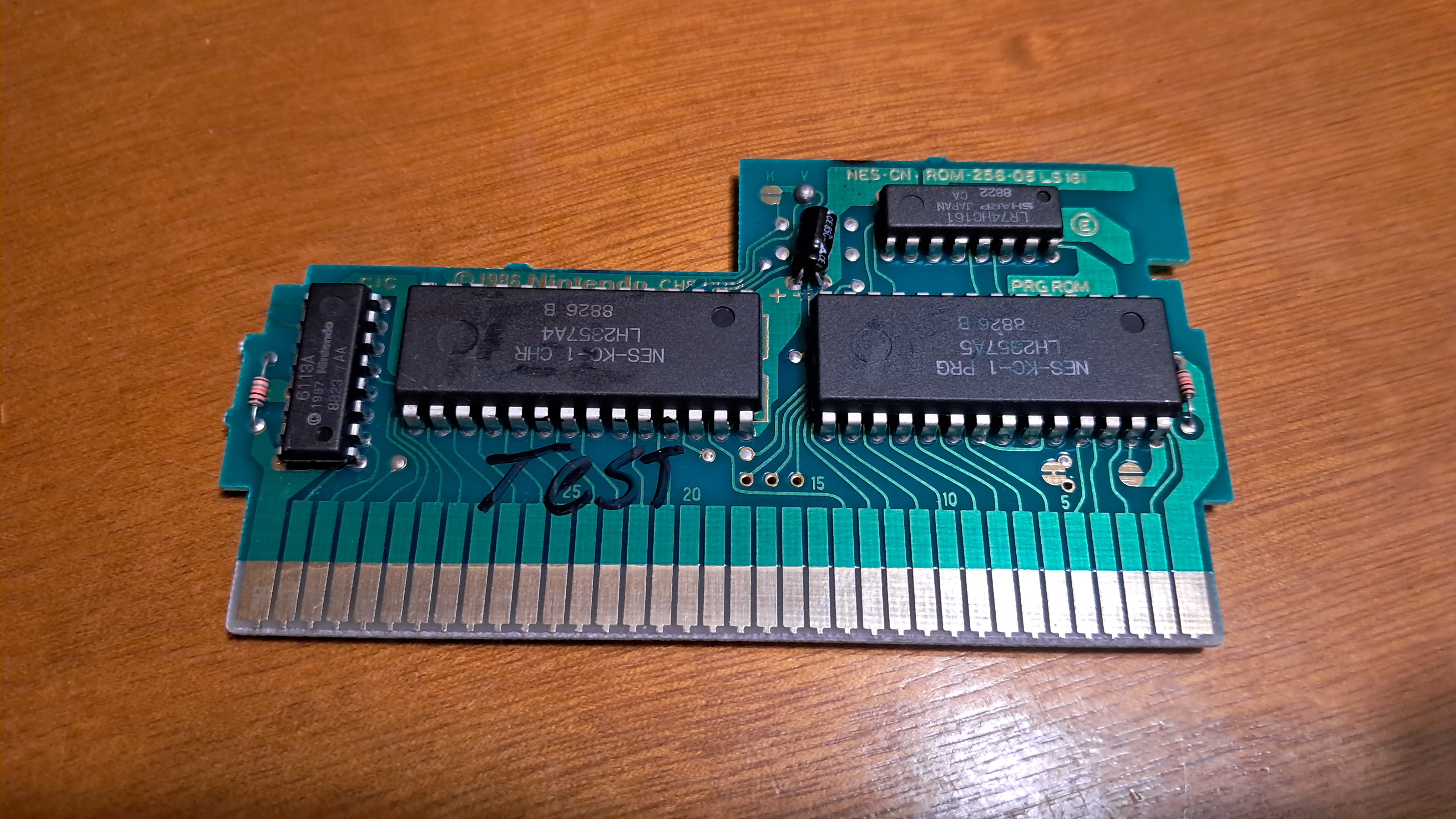
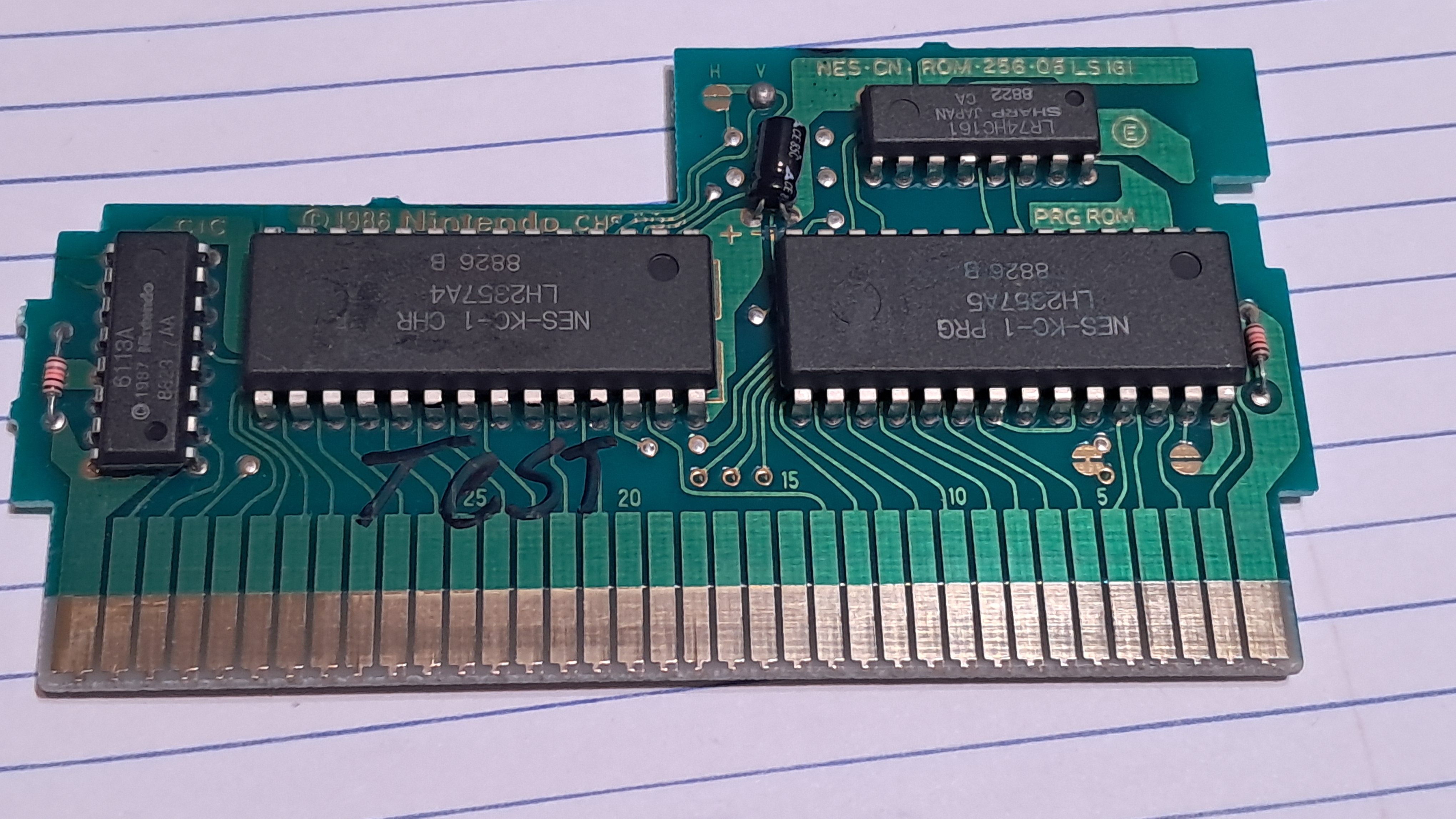
The Aftermarket Sunjoyco 72-Pin Connector was installed into a second Front Loading NES-001 on camera. The Karate Champ game cartridge was cycled in and out of the Aftermarket 72-Pin Connector 100 times. These are photos of the board taken prior to the test.
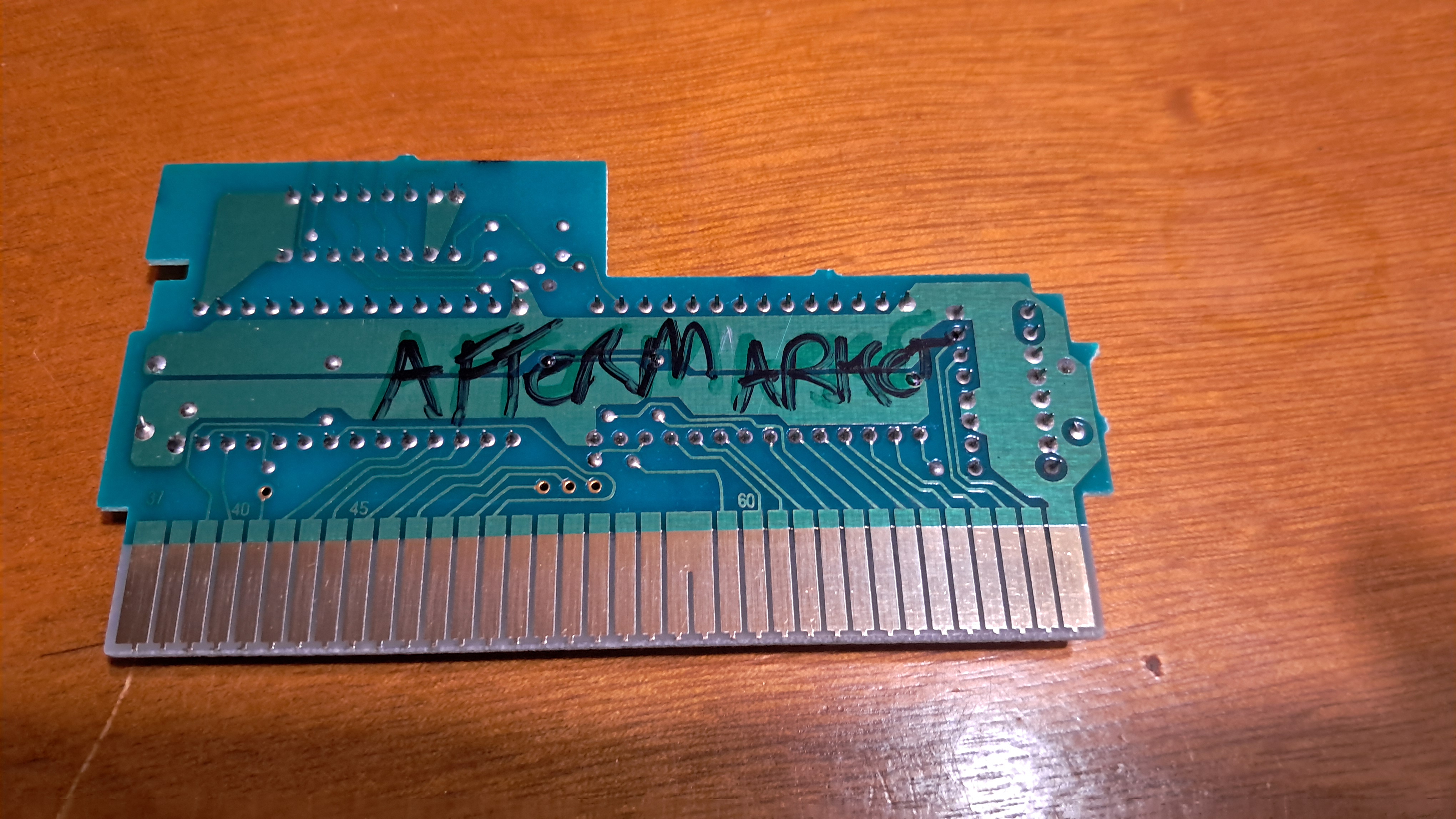
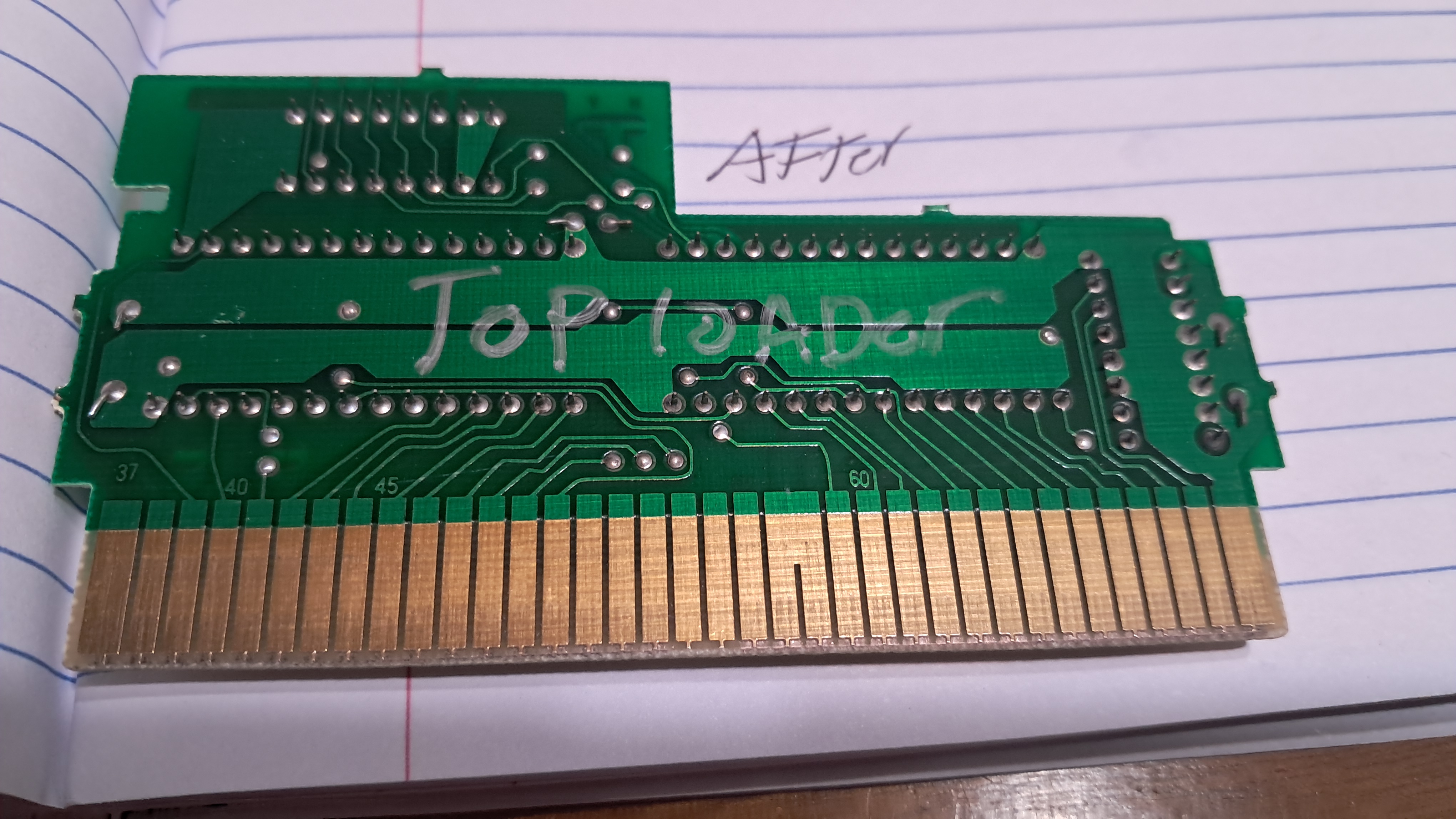
And after the test....
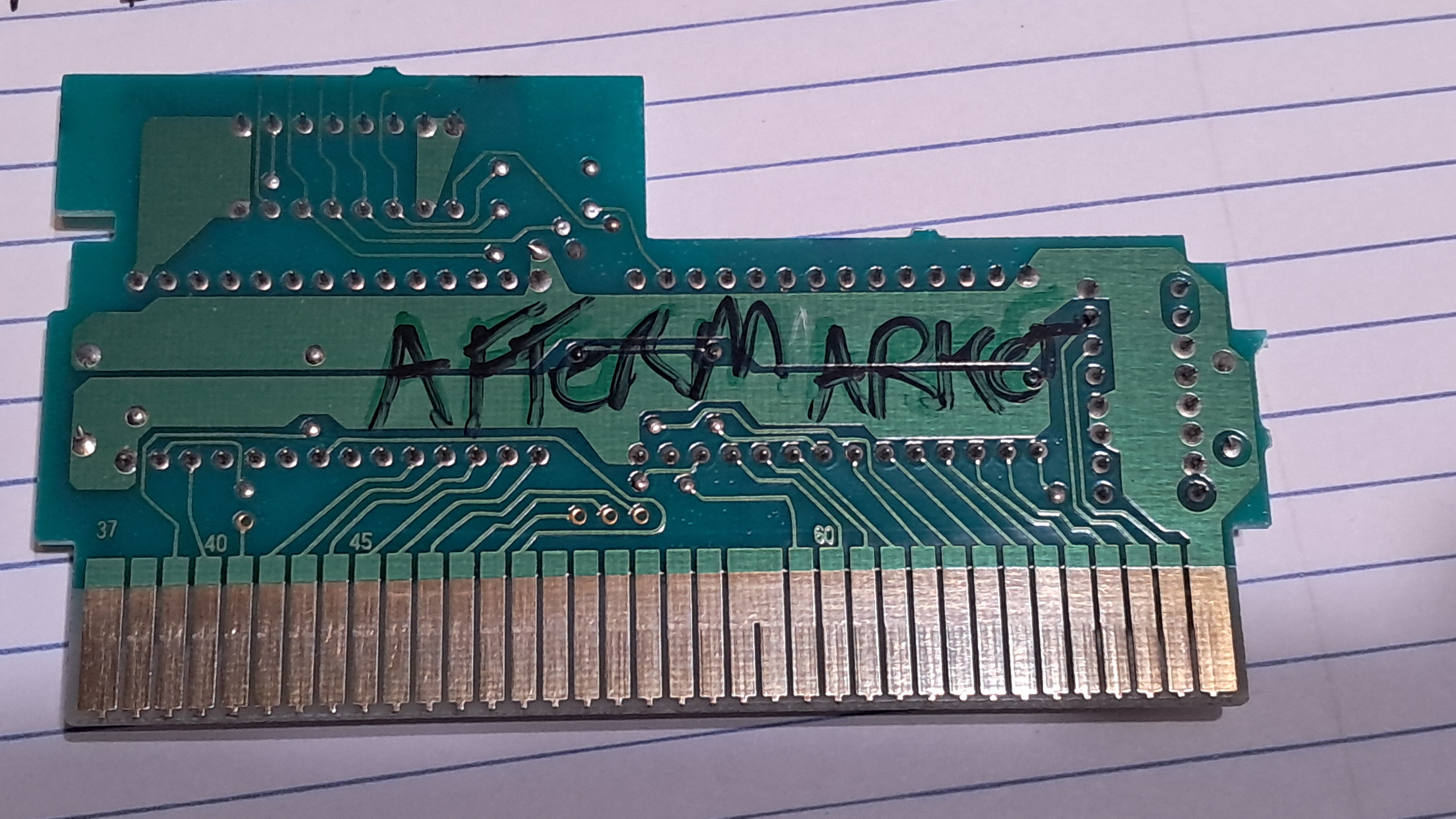
A closer look at some of the damage.
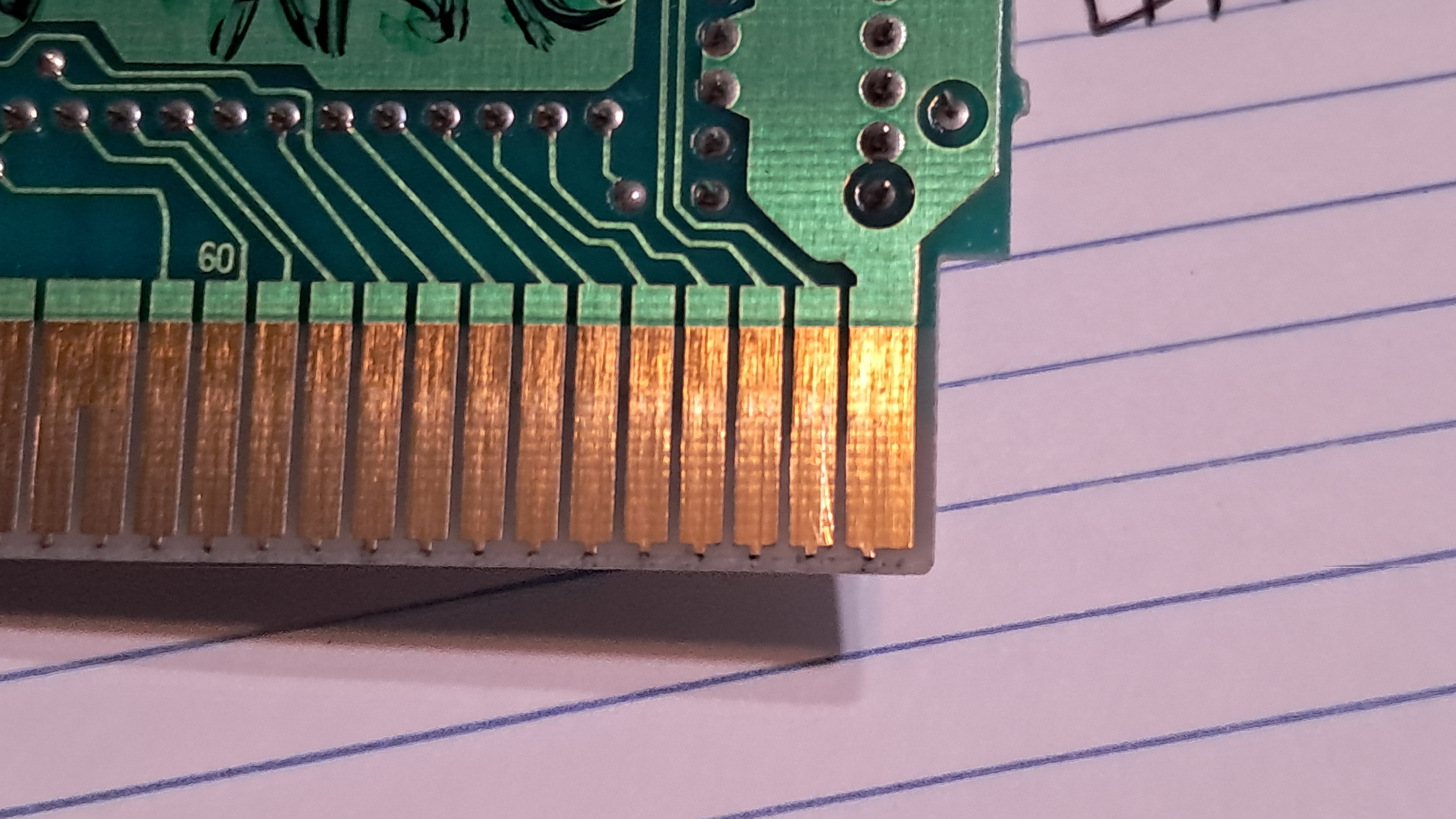
100 cycles induced a surprising amount of wear compared to each control. There's also deep scratching on random pins. This suggest an uneven distribution of contact force and potential issues with pitch given their location.
There are certainly better ways to go about an experiment like this, but this is what I have for now. What I can say for sure is that You should try to clean your 72-Pin Connector if you can. I don't recommend using these parts.
Both of these aftermarket connectors damaged the game contacts in different ways. I'd need a bigger sample size, but it looks like destructive potential depends on each individual one. The damage isn't exactly world changing but I don't think it's wise to subject old hardware to this kind of abuse.
The excessive contact force makes game insertion and removal a chore. Strangely, both of these aftermarket connectors felt like they were full of sand. I have no better way to describe it than that.
If you're looking to replace your connector, ignore these and install Nin10-Drawer. I bought and installed one after finishing this experiment just to test it out. Expect a page on that soon. I can say for sure that it's well made and has run everything I've thrown at it.
Baring that, use a Top Loader or an AV-Famicom. Top Loader has the advantage of working with NES carts out of the box. Unfortunately, it's limited to RF output. The AV-Famicom can be used with an Everdrive to run NES games. You could buy a converter, but the price is half of what you'd spend on an Everdrive so I don't see the point.
I don't know if I can recommend the AVS. It's no longer available, and it's cartridge connector has an extremely tight grip. I haven't tested it's damage potential. However, I will state as a matter of fact that my AVS' cartridge connector is significantly tighter than that found in the NES Top Loader and the Nin10-Drawer.